Signs
Building muscle mass for men and women aged 60 and over
Building muscle mass after 60? Read why strength training, nutrition, and recovery are essential for staying strong.

Building muscle mass after 60? Read why strength training, nutrition, and recovery are essential for staying strong.
Healthy muscle development requires more than just protein and intense training. Especially as you age, it is important to focus on movement, recovery, and the right intake of minerals. Muscles form the foundation of physical strength and endurance. They help you with sports and strength training, but also with everyday tasks like climbing stairs, cycling, lifting, getting out of a chair, and walking.
When people think about building muscle mass, they often think of protein and training first. That makes sense. But the role of minerals is often forgotten. Without these nutrients, muscles cannot contract, relax, recover, and grow as effectively. For women around 60, this becomes extra important. Building muscle mass as a 60-year-old woman isn't about bodybuilding; it's about staying strong, mobile, and independent.
Minerals are essential for numerous bodily processes, particularly for muscle contraction, recovery, and growth. Calcium, magnesium, potassium, and other minerals play a crucial role in maintaining electrolyte balance and optimizing muscle function. A deficiency in these minerals can lead to reduced performance, an increased risk of injury, and longer recovery times.
That is why it is vital to focus not only on protein intake and strength training but also on ensuring an adequate intake of minerals. A balanced diet rich in minerals, combined with regular physical activity, will not only improve performance but also promote overall health and well-being. In this introduction, we will delve deeper into the importance of minerals for muscle growth, strength, and recovery, and how athletes can integrate these crucial nutrients into their training regimen.
Minerals play a key role in maintaining healthy muscles. Calcium, for example, is essential for muscle contraction and relaxation, while magnesium helps regulate muscle contractions and prevent cramps. Potassium is also vital for maintaining the proper balance of electrolytes in muscle cells, which is essential for their optimal function. A deficiency in these minerals can lead to muscle weakness, cramps, and fatigue. Therefore, it is important to consume a balanced diet rich in calcium, magnesium, potassium, and other essential minerals. In addition, regular physical activity, including both strength training and cardio, is vital for keeping muscles healthy and strong. By taking care of our muscles and getting enough minerals, we can promote good health and an active lifestyle.
It is not for nothing that muscles are called ‘the organ of longevity’ . They earned this name because of the protection they offer against age-related diseases and conditions. And because they protect against falls, the most common cause of serious injury in older age.
Your muscles and your brain are in constant communication. This happens partly through myokines, the messengers of our muscles. Myokines are substances that are released in varying amounts under the influence of muscle activity and a certain level of exertion. These myokines ‘travel’ through the bloodstream and, in turn, provide various health benefits through different pathways. Myokines take good care of your memory, learning ability, mood, and emotional behavior. They ensure that new brain cells are created and protect them against aging. Did you know that 6 months of strength training protects the brain against Alzheimer's? That is the conclusion of a major study in Australia.
'This is the first time that an intervention has slowed or even stopped degeneration in brain regions that are highly vulnerable to Alzheimer's for such a long time.' Prof. Valenzuela, Sydney Medical School
More about Professor Valenzuela can be found here.
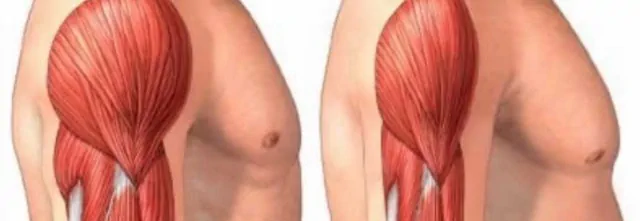
Sarcopenia is the term for the loss and decline in quality of muscle mass and strength as we age. Over time, this process makes even daily tasks more difficult. Older adults often report that climbing stairs, bending, lifting, and carrying things become challenging. As seniors move less, it creates a vicious cycle that leads to even less physical activity, further increasing the risk of falls and reducing independence.
Because older adults are less active, they produce fewer 'satellite cells.' When you exercise, muscle fibers are broken down and nearby satellite cells are activated. These satellite cells provide nutrients to the muscles and fuse with the muscle fibers to strengthen the muscle structure and create 'muscle cell nuclei.' These nuclei are found within your muscle fibers. The more nuclei a muscle fiber has, the larger the muscle becomes. Strength training increases the number of these nuclei in a muscle. New muscle proteins are created, resulting in larger muscles. Then there is mitochondrial dysfunction, which leads to sarcopenia. To function efficiently, muscles need a sufficient number of working mitochondria, the power plants of the muscle cell. To maintain muscle strength, muscles must be able to clear out waste before it accumulates.
The process that recycles damaged proteins, organelles, and other cellular structures is called autophagy. Because autophagy levels are lower in older adults, the proteins they consume cannot be used quickly enough to maintain a balance with muscle tissue breakdown. Naturally, hormone levels also decline with age, which impacts muscle aging.

The good news is that physical activity can reduce or even partially reverse the loss of strength and muscle mass.
Physical activity can help mitigate or even reverse many of these age-related changes, whereas a sedentary lifestyle accelerates muscle aging. The number of satellite cells increases with exercise; active seniors have more of these cells than those who are inactive. This is one of the reasons why exercising before knee or hip surgery is so beneficial. A lack of movement reduces the efficiency and number of mitochondria in muscle cells, while physical activity promotes mitochondrial health. Physical activity can also boost myokine levels. Naturally, SMPL contributes to the removal of waste products—crucial during activity—and the delivery of nutrients to the cell, ensuring that the power plants, the mitochondria, keep working effectively.
You can read more about fulvic acid in this blog.
Science is unanimous: a more active lifestyle may not necessarily make you live significantly longer, but it will drastically improve the quality of your later years. And the earlier you start, the better! Maintaining good muscle mass helps you burn more calories. When you build muscle mass through strength training, you also significantly reduce your risk of developing type 2 diabetes. Furthermore, muscles 💪 help keep your blood pressure in check and lower your risk of cardiovascular disease.
Building good muscle mass is arguably one of the best ways to invest in your health. As the years go by, that muscle mass can help you stay healthy and vital. And if you become seriously ill, it can increase your chances of survival. Illustrative of the vital role of muscle mass is the doctoral thesis by Dutch physician Jeroen van Vugt, who earned his PhD on this subject at Erasmus University in Rotterdam.
Van Vugt conducted research on patients on the waiting list for a liver transplant and patients suffering from gastrointestinal cancer who required surgery. He analyzed CT scans of the abdomen for all patients and highlighted the abdominal and back muscles, which provide a good indication of overall muscle mass. He divided the patients into different groups based on their muscle mass levels. In the group with the lowest muscle mass, he discovered significantly more postoperative complications, such as wound infections. Furthermore, among those on the liver transplant waiting list, significantly more patients with low muscle mass died from their liver disease before they could receive a transplant.
Muscle mass says something about a patient's overall condition: the less developed the muscles, the poorer the condition. “Of course, muscle loss is related to the disease these people have. But the condition they are in before they get sick likely plays a role as well. Sufficient exercise, a healthy diet, and a healthy weight are therefore not only important for staying healthy, but also for being better equipped to withstand illness.” The results of Van Vugt’s research are important because they allow for the timely assessment of a patient's muscle mass. If it proves to be low, the patient can be encouraged to strengthen their muscle mass before and after surgery.
Van Vugt’s findings are also significant because they demonstrate that the reimbursements paid to hospitals for treating diseases cannot really be standardized. “This research shows that low skeletal muscle mass leads to higher treatment costs. This can amount to thousands of euros per patient. University hospitals receive a relatively high number of vulnerable, complicated patients, yet they currently receive the same reimbursements as hospitals that primarily treat more resilient patients.”
The problem for now is that no standard values have been established for healthy muscle mass. What constitutes an optimal amount of muscle mass for a 45-year-old woman who is 1.78 meters tall, or for a 57-year-old man who is 1.98 meters tall, is not yet known. “We are working hard to arrive at some kind of average. Much like how child health clinics use growth charts to see if a child is growing as expected. But from a methodological standpoint, that is a very significant challenge.”

If you think Van Vugt’s research results were a fluke, we can reassure you: they were not. Scientists have encountered these kinds of positive health effects of muscle mass before. In 2017, for example, American oncologists published a study in Clinical Cancer Research in which they followed 40 women with an incurable form of breast cancer for several years. The researchers divided the women into two groups: one with relatively high muscle mass and one with relatively low muscle mass. In the latter group, no one was still alive after a year and a half. In the first group, the one with relatively more muscle, half had passed away only after 3 years. And when the researchers stopped following the women after 8 years, there were still women alive in this group. Their muscles were apparently slowing the progression of their disease.

Muscle mass also has a protective effect in older adults. When researchers follow large groups of people for years at a time, it is consistently the men and women with relatively more muscle who manage to reach an extremely old age. It does not matter whether that research was conducted in the Netherlands, Sweden,Italy or in the United States— the results almost always point in the same direction.

Initially, scientists dismissed the link between muscle mass and health, assuming it was a correlation rather than causation. They argued that muscular people simply eat healthily and exercise often, which is why they are healthier; their muscle mass was merely a byproduct of a healthy lifestyle, not the cause of their good health.
Of course, those skeptical scientists had a point. However, further research has since shown that a healthy amount of muscle mass does indeed have a positive effect on health and can act as a health reset.
A group of exercise scientists who have done significant work in clarifying the link between muscles and health is based at the University of Copenhagen in Denmark. One of these researchers, Bente Klarlund Pedersen, published a paper in the Journal of Experimental Biology in 2011 article in which she was the first to propose the idea that muscles not only enable us to move but also function as an organ. Muscles are the largest organ in the human body.
And just like many other organs, healthy muscle tissue produces myokines. One of these myokines is irisin. In test tubes, irisin kills cancer cells. Spanish researchers found in a study, published in 2014 in the American Journal of Medicine, a surprisingly high level of irisin in the blood of healthy centenarians. The Spanish team suspects that irisin, in a way that is not yet fully understood, extends life, keeps disease at bay, and can reset your body.
There are dozens of myokines like irisin, and they have positive effects on the body in a wide variety of ways.

Do you need to take up extreme strength training? It is an excellent long-term investment in your health. However, it is doubtful whether this applies to athletes who use performance-enhancing drugs. Experience shows that pharmacologically acquired muscle mass is not permanent. When 'doping athletes' stop using, their muscle mass disappears rapidly.

No matter how big and impressive these power athletes look, by the time muscle mass makes the difference between life and death, all that muscle will likely be gone. Working up a sweat—naturally, without doping—offers numerous health benefits for your body (and brain). There is every reason to pull out your running shoes, cycling gear, swimsuit, or gym equipment and get a good sweat going again. All sports count, as do more physical chores, or even climbing stairs and gardening. In that context, we might want to consider how smart it is that one-third of the Dutch population over the age of 12 now owns an electric bike. And that you can rent electric bikes... You have to wonder what that does to our muscle strength. For young people, and especially for the elderly. Because it is primarily people aged 65 and over who use electric bikes.

Cycling against the wind. It’s not exactly pleasant, but what is pleasant is developing muscle strength. Researchers recommend that we make an effort to prevent sarcopenia in the elderly population. Maybe just start by leaving the e-bike at home? And let young people just cycle again? Very simple. Very SMPL.
Read more here about how fulvic acid works.
Everything you want to know about SMPL72, enrollment, and how it works. Still have questions? We've got the answers.
This varies from person to person and depends primarily on your starting point. Fulvic acid supports the absorption and bioavailability of the minerals you already get through your diet or supplements. The faster your body responds to that improved availability, the sooner you will notice a difference. People with low mineral levels or higher requirements often experience changes sooner than those who are already well-nourished. Some users notice more clarity or a calmer energy level within a few days, while for others, it happens more gradually over a period of weeks. In SMPL72, the fulvic acid is naturally bound to 72 different minerals and trace elements. The most important thing is consistency: fulvic acid doesn't act as a quick stimulant, but as a daily absorption mechanism that builds its effect step by step.
People often get some minerals from various sources, but usually not enough. Furthermore, they are often poorly absorbed by the digestive system. It is important to realize that most supplements are synthetic, and in the case of minerals, they are essentially just rock. These contain large molecules that your body can barely absorb, if at all. We have previously written a blog post about the ins and outs of supplementation; feel free to check out our blog section. You might already be taking magnesium or zinc, but keep in mind that you are only taking one or two of the 60 minerals your body needs every day. When you think in terms of a complementary approach, you cannot simply pick one mineral out of the entire spectrum.
Fulvic acid is not an energy booster, nor is it a substance that provides an immediate effect on fatigue or concentration. What it does is something more fundamental: it supports the way your body absorbs and utilizes minerals. And that very point—the utilization of minerals—plays a bigger role for many people than they realize. Fatigue, "brain fog," and concentration issues often have multiple causes, but in orthomolecular practice, it is frequently observed that mineral metabolism and electrolyte balance are significant factors. Minerals are necessary for processes such as: - signal transmission in the nervous system - energy production in the mitochondria - oxygen transport - fluid balance in and around the cell - enzyme activity involved in focus, alertness, and metabolism If those minerals are insufficiently available at the cellular level, the body cannot perform these processes efficiently. Fulvic acid cannot solve that on its own, but it makes minerals chemically smaller, more soluble, and more accessible to the body. As a result, the minerals you ingest through food or supplements can be better utilized where they are needed. Many users experience a more stable energy level, greater clarity, or fewer fluctuations throughout the day. Not because fulvic acid provides a direct stimulant, but because minerals are able to do their job better. This is a fundamentally different mechanism than that of caffeine, stimulants, or "energy boosters." It remains important to emphasize: fulvic acid is not a treatment for fatigue or concentration issues. It merely supports the biological foundation upon which energy, clarity, and nerve function operate. What an individual notices from it naturally also depends on diet, hydration, lifestyle, and individual needs.
Fulvic acid has a very mild, almost neutral taste. Most people barely notice it when they add a few drops to a glass of water. Some describe it as having a very light mineral flavor, but you usually only notice it if you are really paying attention. SMPL72 is pure fulvic acid with no additives, which keeps the taste soft, clean, and subtle. You don't need to worry about a bitter, sharp, or "muddy" taste, which is common in impure or thick humic products.Most users find that it simply tastes like water with a very faint hint of minerality. This makes it easy to use every day, even for children or people who are sensitive to strong flavors. It is best to take SMPL fulvic acid in a glass of chlorine-free water. Fruit juice is also an option, but avoid hot drinks. It is very easy to use.
Add 7-10 drops daily to a glass of (chlorine-free) water (fruit juice is also an option, but avoid hot drinks). For children: 1 drop per 10 kg of body weight. Feel free to increase the dose during illness or intense physical exertion. For maximum absorption: take 30 minutes before a meal. For an energetic start to the day: take in the morning on an empty stomach. For recovery: take immediately after sports or physical exertion. SMPL72 is a powerful detox, so be sure to drink plenty of water. If you are pregnant or taking medication, build up the dose gradually and monitor how your body reacts. When in doubt, consult your doctor or midwife.


