Fulvic acid liquid supplement, how to choose the right fulvic mineral drops
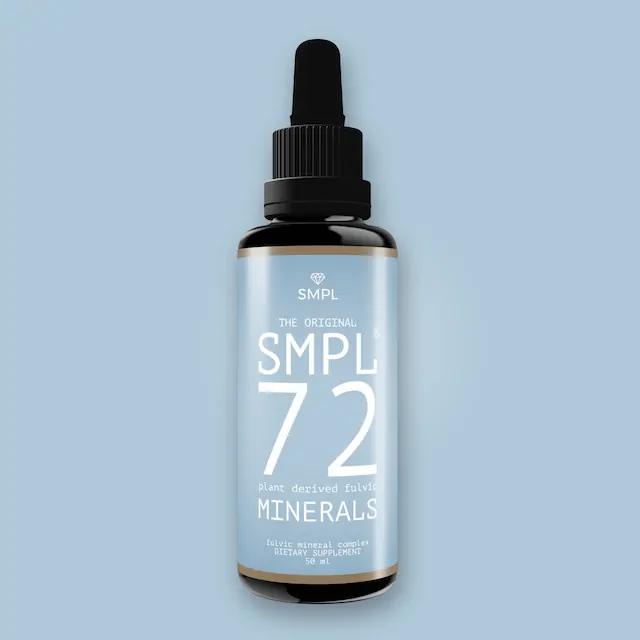
Looking to buy fulvic acid? This guide explains what to check in a fulvic acid liquid supplement, from source and concentration to testing method & extraction.
Buying fulvic acid mineral drops may seem simple. Online marketplaces, health stores and dozens of webshops all sell supplements that promise “the highest quality”. But that claim alone says very little.
Fulvic acid is not a standardised product. The source, concentration, testing method, extraction method and independent certification together determine whether you are buying a carefully produced supplement or mostly diluted water with a good story.
In this article, you will learn what to look for before you buy fulvic acid, especially if you are comparing a fulvic acid liquid supplement, fulvic acid mineral drops or a fulvic acid humic supplement.
What makes good fulvic acid?
Good fulvic acid is not defined by one single claim on a label. Its quality is determined by several factors working together.
The most important are:
* the source of the fulvic acid mineral drops;
* the concentration of fulvic acid minerals drops;
* the testing method;
* the extraction method;
* independent certification and lab testing.
We will go through each of these points step by step.
The source of fulvic acid mineral drops
Fulvic acid is formed from plant material that has been broken down by microorganisms in the soil over a very long period of time. Its quality is strongly linked to the origin of that material.
Not every humus layer is the same. The age, composition and purity of the source help determine the mineral profile and the quality of the final product.
What you want is a source that has remained untouched and is located far away from pollution, pesticide use and industrial activity. Fulvic acid binds easily to other substances. That is exactly why the purity of the source matters so much.
Be careful with products that do not share any information about the origin of their source. If a supplier cannot explain where the fulvic acid comes from, that is a reason to look further.
An exotic story is not proof of quality. Some suppliers refer to remote natural areas in South America, or to the depths of the sea or a river. That may sound pure, but even remote places exist in a world where soil, water and air have been affected by modern pollution in many areas.
With fulvic acid, what matters is not how beautiful the origin story sounds, but whether the source is untouched by modern life, traceable, deeply located and independently tested.
SMPL72 is extracted from humus layers that are more than thirty million years old. The source lies deep underground and has remained untouched for a very long time, far away from direct sources of pollution. The natural complexity of this material is so great that it cannot be synthetically recreated or replicated.
The concentration of fulvic acid mineral drops
Fulvic acid is water-soluble. That means it can easily be diluted without the consumer being able to see it.
That makes concentration important.
Percentages on the market vary widely. Many products contain relatively low concentrations, while their packaging mainly features general quality claims.
What you want to look for:
* Is the percentage of fulvic acid clearly stated?
* Has the percentage been measured independently?
* Is the testing method mentioned?
* Is it clear whether specific fulvic acid was measured, or a broader group of humic substances?
A percentage means very little if you do not know how it was determined. Some testing methods do not specifically measure fulvic acid, but also include other humic substances, organic acids or mineral components in the result. This can make a percentage appear higher than it actually is.
Why some products claim a higher fulvic acid percentage
We are sometimes asked: “But doesn’t product X have a higher fulvic acid percentage?” At first glance, that may sound convincing, but a higher percentage does not automatically mean a better product.
What matters is not only how much fulvic acid is claimed, but especially how that percentage was measured. Some suppliers use general testing methods that are not specific enough for fulvic acid. As a result, other humic substances, organic acids or mineral components may also be counted.
Some high percentages are created through methods such as titration or gravimetric analysis. These methods can be useful in soil research or when measuring broader humic fractions, but they are less suitable when you specifically want to know how much fulvic acid is present in a supplement.
The problem is that such methods do not always clearly distinguish between fulvic acid, humic acids, other organic acids and mineral components. As a result, a product may claim 40%, 60% or even more fulvic acid on paper, while a more specific analysis would show a much lower percentage.
The outcome is a percentage that sounds impressive, but does not necessarily show how much actual fulvic acid is present in the product.
That is why SMPL72 does not focus on the highest number on paper, but on a reliably measured percentage. SMPL72 contains 12 to 18% fulvic acid, independently tested using the LAMAR method. This method was specifically developed to isolate and measure fulvic acid more accurately, rather than counting broader groups of humic substances.
Some fulvic acid products also refer to a high BOVIS value. This may be used within certain holistic measurement frameworks, but it is not a generally accepted scientific standard for product quality. That is why you should not rely only on a BOVIS value, but mainly look at verifiable information such as source, testing method, lab testing, purity and certification.
A product claiming 40%, 60% or even more may therefore have been measured less specifically than a product with a lower, but more accurately established percentage. With fulvic acid, the testing method determines the value of the percentage.
Why the LAMAR method matters
With fulvic acid, a percentage only means something if you know how it was measured. This is exactly where things often go wrong.
Fulvic acid belongs to the group of humic substances. Within that group are also humic acids and other organic compounds. These substances partly resemble each other, but they are not the same.
Less specific testing methods can measure several substances together and present the result as “fulvic acid”. Other organic acids or mineral components can also influence the outcome. This can cause a product to show a high percentage on paper, while the actual fulvic acid content is much lower.
The LAMAR method was developed to look more specifically at the fulvic acid fraction. In this method, the sample is first treated to separate larger humic acid molecules from the smaller fulvic acid fraction. Then the part that is actually classified as fulvic acid is measured more specifically.
As a result, the LAMAR method usually provides a more realistic picture than general testing methods. A product that claims a very high percentage using a general method may turn out significantly lower when measured with a more specific LAMAR test.
A lower percentage based on LAMAR can therefore be more valuable than a much higher percentage established with a less specific method.
SMPL72 is independently tested using the LAMAR method and contains 12 to 18% fulvic acid. That percentage was not chosen because it sounds the highest, but because it is verifiable, traceable and specifically measured.
The extraction method
Fulvic acid is delicate. Heat, high pressure and chemical extraction can affect the composition of the final product.
Some producers choose accelerated extraction methods because they are cheaper and faster. But speed is not always an advantage when working with natural, delicate material.
What you want is an extraction method without aggressive chemicals, without heat and without high pressure.
SMPL72 is extracted using only pure water. The extraction process takes two years. Not because it is the fastest method, but because it helps preserve the material as carefully as possible.
Independent certification and lab testing
Claims are easy to make. Independent verification is more valuable.
When buying fulvic acid, you want to see whether a product has been tested and checked by external parties. That says more than general terms such as “premium”, “pure” or “highest quality”.
Look for certifications and checks such as:
* GMP certification;
* independent lab testing;
* verifiable production standards;
* clear information about composition and origin;
* additional certifications such as vegan, halal, kosher or GMO-free, if those are important to you.
SMPL72 is GMP-certified through an independent audit party and also holds certifications such as Halal, Kosher, Vegan, GMO-free and FDA approved.
These certifications say something about quality, production and control, but they do not replace medical advice.
Side effects and disadvantages of fulvic acid
An article about fulvic acid should also address possible side effects, disadvantages and points of attention.
Fulvic acid is not a medicine, but a supplement. Still, every supplement can be experienced differently. Some users report mild reactions in the beginning, such as urinating more often, temporary tiredness or changes in digestion. Not everyone notices this. People who are sensitive to supplements can build up usage gradually.
Are you pregnant, breastfeeding or do you have a medical condition? Consult a doctor or pharmacist before using fulvic acid.
Fulvic acid is also not a fast-acting supplement. User experiences vary. Many people only evaluate the effect after several weeks of daily use. Read more about SMPL72 fulvic acid reviews here.
What to look for when you want to buy fulvic acid
When people search for fulvic acid buy, they are often trying to compare products quickly. But the percentage on the label only tells part of the story.Before you buy, look at the source, the testing method, the extraction process and the independent verification. A higher fulvic acid percentage does not automatically mean a better product.
SMPL72 contains 12 to 18% fulvic acid, independently measured using the LAMAR method. No inflated percentages, just a verifiable product for people who want to know exactly what they are buying.
Order SMPL72 fulvic acid through the official webshop.
The checklist: before you buy fulvic acid
Before you buy fulvic acid, check the following:
* Are the fulvic acid ingredients, source and concentration clearly stated and verifiable?
* Has the fulvic acid percentage been measured independently?
* Which testing method was used? LAMAR is the standard.
* Is the product GMP-certified by an independent party?
* Is the extraction method chemical-free?
* Is there a money-back guarantee?
If a supplier cannot give a clear answer to several of these questions, buy elsewhere.
Frequently asked questions about fulvic acid
What is a fulvic acid liquid supplement?
A fulvic acid liquid supplement is a liquid form of fulvic acid that is usually taken by adding drops to water. The quality depends on the source, concentration, testing method, extraction process and independent certification.
What are fulvic acid mineral drops?
Fulvic acid mineral drops are liquid drops that combine fulvic acid with minerals and trace elements. In Dutch, these are sometimes called fulvic acid druppels. Always check whether the concentration is independently measured and which testing method is used.
What is a fulvic acid humic supplement?
A fulvic acid humic supplement contains substances from the broader humic family, including fulvic acid and sometimes humic acid. The important question is whether the product specifically measures fulvic acid, or whether it counts broader humic substances together.
What fulvic acid ingredients should you check?
When comparing fulvic acid ingredients, look beyond the front label. Check the source of the humus material, the measured fulvic acid concentration, the testing method, the extraction process and any independent certifications.
What are the benefits of a fulvic acid supplement?
Commonly discussed fulvic acid supplement benefits include its role in mineral binding, trace mineral delivery and support for a daily supplement routine. Fulvic acid is not a medicine and should not be presented as a treatment for disease.
Are trace mineral fulvic acid reviews useful?
Trace mineral fulvic acid reviews can be helpful, but they should not replace objective quality checks. Reviews tell you about user experience, while lab testing, source information, concentration and certification tell you more about product quality.
Related blogs
* What is fulvic acid and why do you need it?
* SMPL72 fulvic acid mineral reviews
Ready to stop searching? Order SMPL72.